Choosing the best IFAK kit for law enforcement in 2026 isn't about finding one universal product — it's about matching kit configuration to duty assignment, because a patrol officer, a SWAT operator, and a plainclothes detective carry different equipment for different reasons.
- The best IFAK kit for law enforcement in 2026 is a belt-mounted individual kit built around a genuine C-A-T® tourniquet and hemostatic gauze.
- Vehicle trauma kits and fleet group kits supplement an officer's individual IFAK — they never replace it.
- SWAT and entry teams need faster-access tactical IFAK placement than a standard patrol kit provides.
- Counterfeit C-A-T® tourniquets circulate on major marketplaces — verify authenticity before any department-wide purchase.
Why this matters
Hemorrhage remains one of the most preventable causes of death in law enforcement use-of-force incidents, and the M.A.R.C.H. framework treats massive bleeding as the first priority for a reason. An IFAK that's on the officer's body, built with authentic components, and accessible under stress does the job. One that's locked in a supervisor's trunk or built with a counterfeit tourniquet does not, regardless of what's printed on the label.
Departments outfitting patrol divisions in 2026 are also dealing with a market flooded with gray-market and counterfeit tourniquets sold at a fraction of the cost of genuine components. Sourcing matters as much as kit configuration.
Best overall for daily patrol: the belt-mounted individual IFAK. Best for entry and tactical teams: the SWAT tactical IFAK configuration. Best for plainclothes assignments: the compact concealed IFAK. Best for department-wide backup: a vehicle trauma kit paired with a supervisor-managed fleet group kit — never as a substitute for individual carry.
Genuine components sourced through North American Rescue remain the baseline most departments issue against, since traceability and lot control matter when equipment is inspected on a schedule.
What makes the best IFAK kit for law enforcement
- Genuine, traceable components — verified C-A-T® tourniquets and hemostatic gauze, not gray-market substitutes
- M.A.R.C.H.-aligned contents matched to the injury pattern most likely for the assignment
- Carry method suited to the role — belt-mounted, plate carrier, vehicle-mounted, or concealed
- One-handed or buddy-aid deployment under stress, driven by pouch design and component placement
- Durability for daily wear across a full patrol shift in variable weather
- Ease of inspection and expiration tracking for supervisors managing kits across a shift or fleet
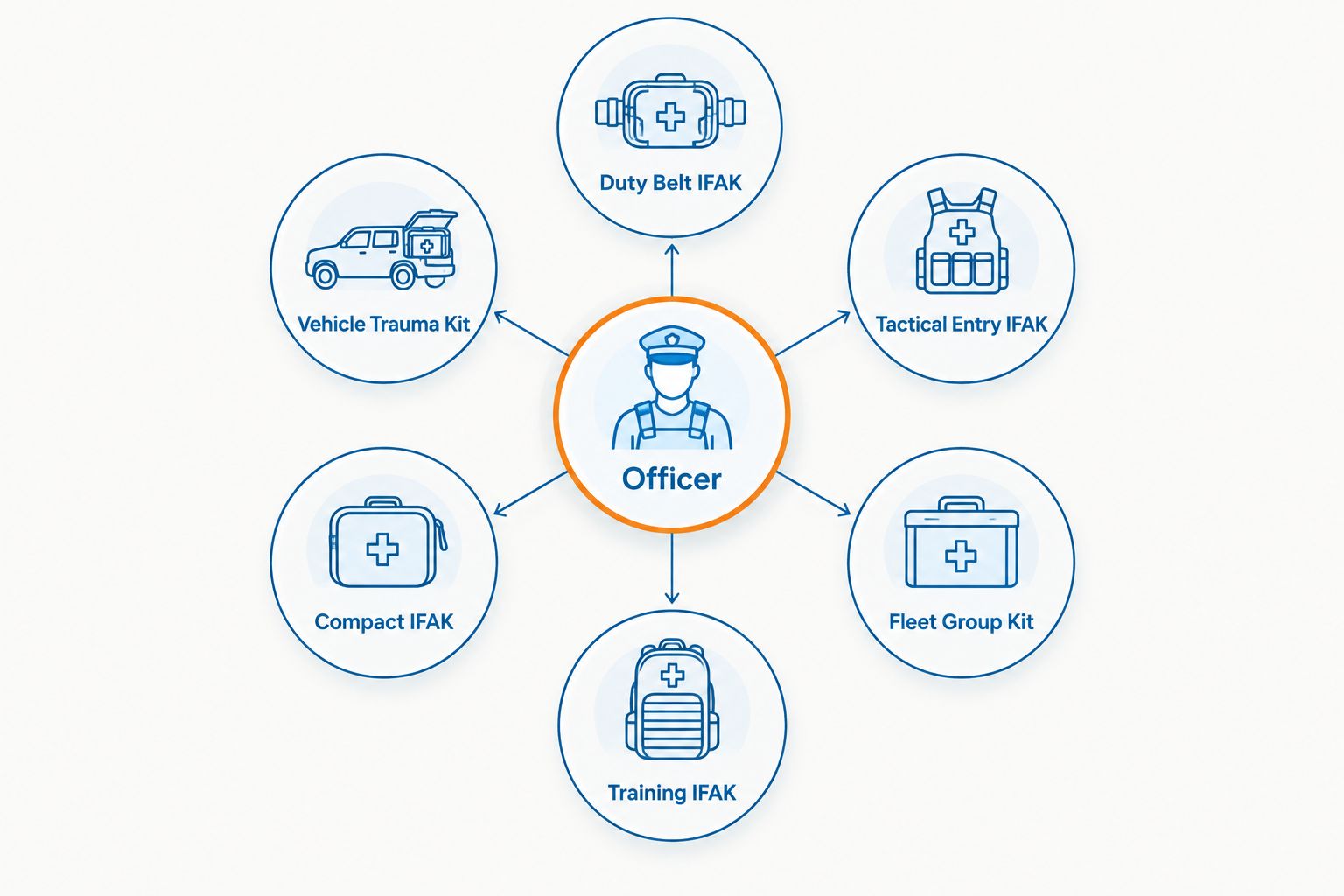
IFAK kit types for law enforcement at a glance
| Kit Type | Best For | Standout Feature | Key Limitation |
|---|---|---|---|
| Patrol Duty Belt IFAK | On-body carry for every sworn officer | Genuine C-A-T® tourniquet mounted for one-handed access | Limited to single-casualty, single-use supplies |
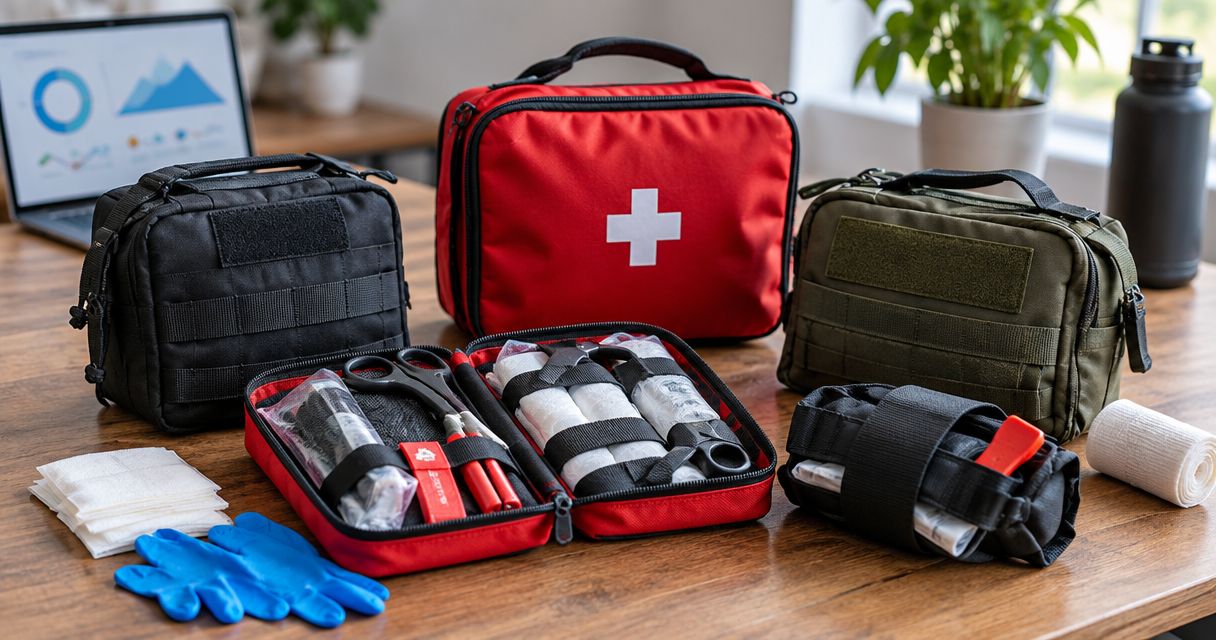
| Vehicle/Trunk Trauma Kit | Backup during extended or multi-casualty calls | Higher gauze and dressing count than a belt kit | Not accessible without returning to the vehicle |
| SWAT/Tactical Entry Team IFAK | Entry teams and active-threat response | Positioned for buddy-aid access under a plate carrier | Slower to don for routine patrol shifts |
| Plainclothes/Detective Compact IFAK | Concealed, low-profile carry | Slim profile fits under a jacket or in a bag | Reduced component count versus a full belt kit |
| Supervisor/Fleet Group Kit | Equipping multiple vehicles or a briefing room | Centralized inspection and restock point | Not on any one officer's body when seconds matter |
| Academy/Training IFAK | Recruit training and skills practice | Reusable trainer components built for repetition | Not rated for street deployment |
1. Patrol Duty Belt IFAK: best IFAK kit for on-body daily carry
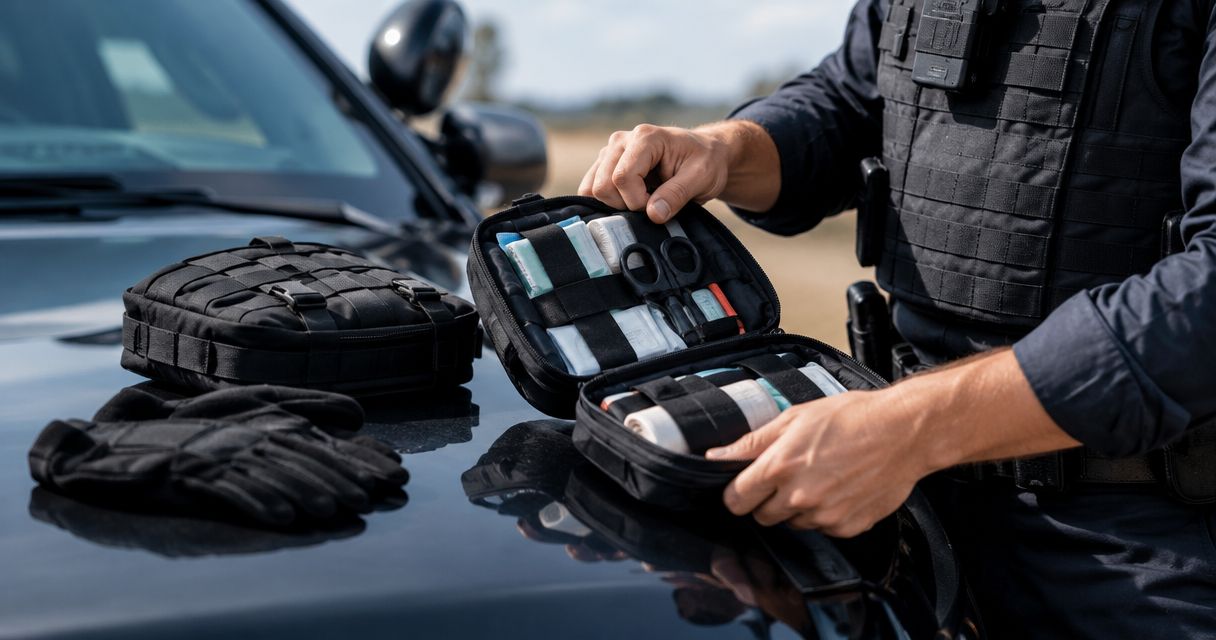
This is the baseline configuration for uniformed patrol in 2026 — a compact pouch mounted directly on the duty belt, built around a genuine C-A-T® tourniquet, hemostatic gauze, and a pressure dressing. It's designed so the officer wearing it, not a partner or a vehicle, is the first line of response.
Patrol Duty Belt IFAK pros:
- Always on the officer's body during a shift
- Fast one-handed access under a duty belt setup
- Straightforward to standardize across an entire patrol division
Patrol Duty Belt IFAK cons:
- Limited supply volume for anything beyond a single casualty
- Belt real estate competes with other duty gear
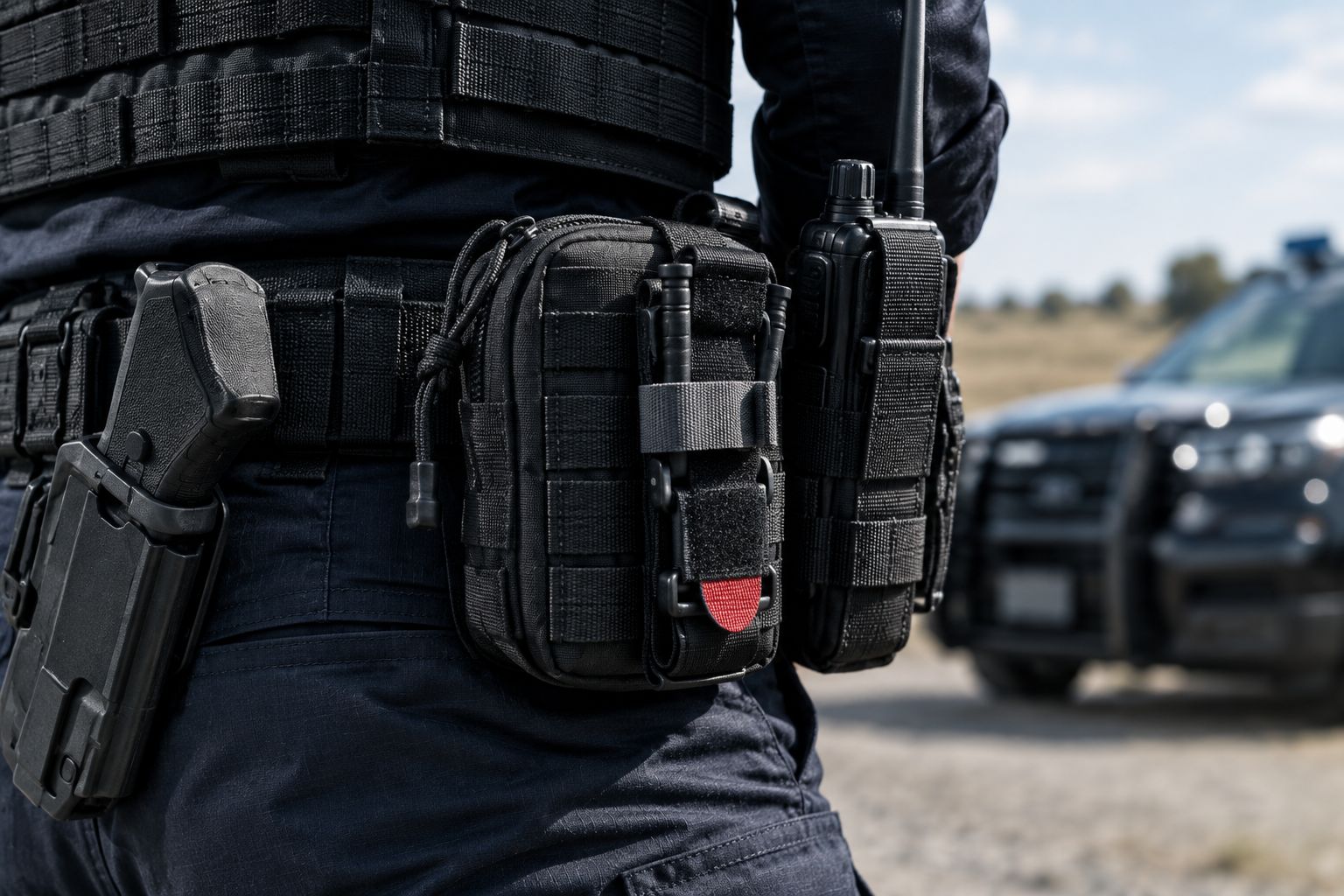
Patrol Duty Belt IFAK verdict: Buy. Every sworn officer on patrol should carry one, full stop.
2. Vehicle/Trunk Trauma Kit: best for backup and extended-scene coverage
A larger trauma kit stored in the patrol vehicle covers what a belt kit can't: extended scenes, multiple patients, or restocking a depleted individual kit mid-shift. It's a supplement, never a substitute, because it's only useful if the officer can get back to the vehicle.
Vehicle Trauma Kit pros:
- Higher capacity than any belt-mounted kit
- Useful for backing up a partner's depleted IFAK
- Easier to inspect on a set vehicle-check schedule
Vehicle Trauma Kit cons:
- Zero value if the officer can't reach the car
- Adds a second inspection point supervisors have to track
Vehicle Trauma Kit verdict: Buy as a standing supplement to individual kits, not a replacement for them.
3. SWAT/Tactical Entry Team IFAK: best for entry and active-threat response
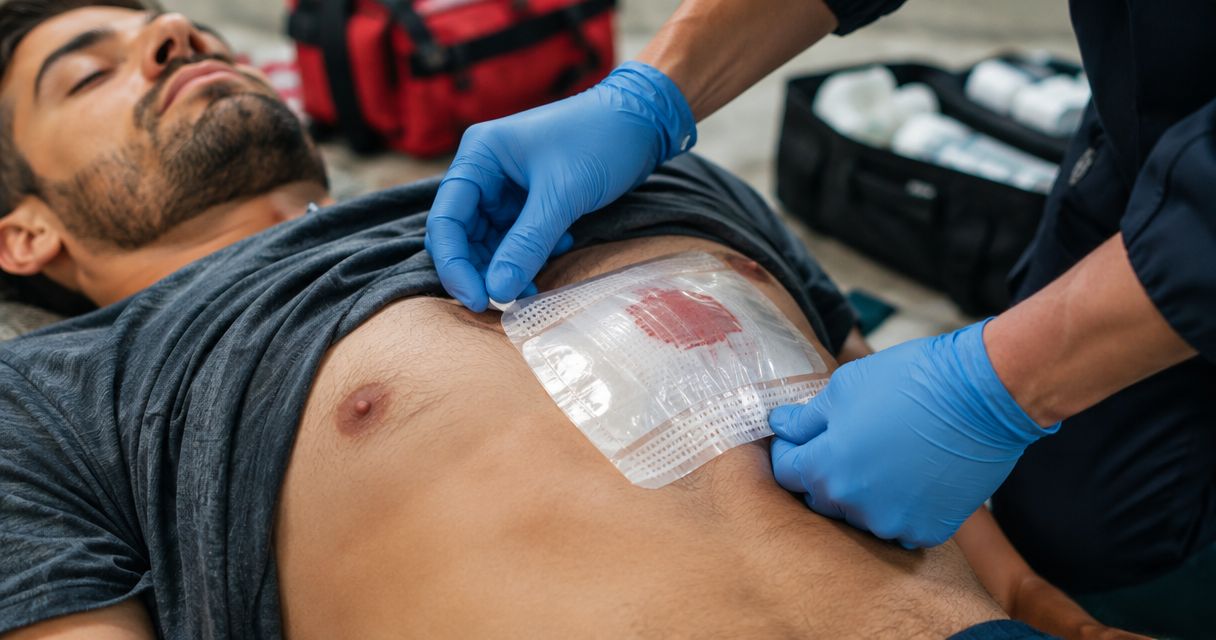
Tactical teams need faster access under a plate carrier than a standard belt kit allows, along with a component mix built around penetrating trauma — tourniquets, hemostatic gauze, and a chest seal positioned for buddy-aid application during entry work.
SWAT Tactical IFAK pros:
- Positioned for rapid access mid-entry, not after the fact
- Component mix matched to gunshot and blast trauma patterns
- Built to survive movement under a plate carrier or vest
SWAT Tactical IFAK cons:
- Overbuilt and slower to don for a standard patrol shift
- Requires more frequent team-level training on placement
“If the kit isn't on the officer's body when the fight starts, it might as well not exist.”
SWAT Tactical IFAK verdict: Buy for entry and tactical assignments; skip it for standard patrol, where it's overbuilt.
4. Plainclothes/Detective Compact IFAK: best for concealed, low-profile carry
Detectives and plainclothes officers can't wear a duty belt kit without breaking cover, so this configuration trims to a slim, low-profile pouch that fits under a jacket or inside a bag while still carrying a genuine tourniquet and dressing.
Compact IFAK pros:
- Low profile enough to stay concealed under street clothes
- Still built around a genuine C-A-T® tourniquet, not a substitute
- Fits in a bag or under a jacket without printing
Compact IFAK cons:
- Reduced component count versus a full patrol kit
- Requires the officer to remember to carry it, since there's no belt cue
Compact IFAK verdict: Buy for any non-uniformed assignment where a visible pouch isn't an option.
5. Supervisor/Fleet Group Kit: best for equipping multiple vehicles or a briefing room
A fleet or group kit centralizes trauma supplies at the sergeant or shift-supervisor level, useful for departments standardizing restock and inspection across several vehicles at once instead of tracking dozens of individual kits separately.
Fleet Group Kit pros:
- One inspection point instead of many scattered kits
- Efficient for restocking multiple vehicles in one pass
- Useful during roll call or briefing-room equipment checks
Fleet Group Kit cons:
- Not on any single officer's body when seconds matter
- Can create a false sense of coverage if individual kits get skipped
Fleet Group Kit verdict: Hold if your department hasn't yet issued individual belt kits to every officer — fix that gap first.
6. Academy/Training IFAK: best for recruit training and skills practice
Academies and training divisions need reusable, non-live components for repetitive practice — trainer tourniquets and inert dressings that hold up to repeated use without burning through single-use street inventory.
Training IFAK pros:
- Built for repeated use during skills sessions
- Keeps live-issue components off the training floor
- Lets recruits build muscle memory before field deployment
Training IFAK cons:
- Not rated or intended for street deployment
- Requires a separate live kit before graduation to patrol
Training IFAK verdict: Buy for academy and in-service training programs; never issue trainer components for street carry.
How we ranked
Each configuration above is scored against the six criteria listed earlier — component authenticity, M.A.R.C.H. alignment, carry method fit, deployment speed, durability, and inspection ease — rather than against each other, because a patrol kit and a SWAT kit aren't competing for the same slot. That's why the list reads as a decision tree by assignment, not a single leaderboard.
Source genuine kit components
Verify authentic C-A-T® tourniquets before any department-wide order.
Which IFAK kit should you choose?
For most departments outfitting patrol in 2026, the default is a genuine belt-mounted individual IFAK for every sworn officer, backed by a vehicle trauma kit for extended scenes. Add the tactical configuration for entry teams and SWAT, the compact configuration for plainclothes assignments, and a fleet group kit only after individual carry is already standardized — not before. Academy and training divisions run a separate reusable trainer kit alongside whatever configuration recruits will carry once they hit the street.
The common failure point isn't picking the wrong category — it's skipping individual carry in favor of a shared vehicle or group kit and assuming that's coverage. It isn't.
FAQ
How can you tell a genuine C-A-T® tourniquet from a counterfeit?
Genuine C-A-T® tourniquets are sold through authorized dealers and carry consistent windlass, buckle, and label construction; counterfeits sold on third-party marketplaces often show inconsistent stitching, loose windlass clips, or missing lot markings. When sourcing for a department, buy through an authorized dealer rather than an unverified online listing.
What's the difference between an IFAK and a general trauma kit?
An IFAK (Individual First Aid Kit) is built for one person to treat themselves or a single casualty, while a trauma kit or vehicle kit typically carries higher supply volume for multiple patients or extended scenes. Law enforcement departments generally issue both, not one or the other.
Should every patrol officer carry an individual IFAK, or is a shared vehicle kit enough?
Every patrol officer should carry an individual IFAK on their duty belt; a shared vehicle kit is a supplement, not a substitute, because it's useless if the officer can't get back to the car. Departments relying only on vehicle or group kits leave a gap in the first minute of an incident.
How often should a law enforcement IFAK be inspected?
IFAKs should be checked on a set schedule tied to shift changes or equipment inspections, with components rotated before their labeled expiration dates. Supervisors managing multiple kits benefit from centralizing this check rather than leaving it to individual officers alone.
What items are standard in a law enforcement IFAK in 2026?
A standard law enforcement IFAK in 2026 typically includes a genuine tourniquet, hemostatic gauze, a pressure dressing, and often a chest seal, aligned with the M.A.R.C.H. framework's bleeding-control priorities. Exact contents vary by department policy and assignment.
Is a chest seal necessary for a patrol-level IFAK?
Many departments include a chest seal in the standard patrol IFAK because penetrating chest trauma is a recognized risk in use-of-force incidents, though policy varies by agency. Tactical and entry team configurations more consistently include one given the higher likelihood of gunshot trauma.
Where on the duty belt should an officer carry an IFAK?
Most departments position the IFAK pouch for one-handed access from either hand, commonly on the opposite side from the primary weapon to reduce interference during a draw. Exact placement should follow department policy and individual duty belt configuration.
Do plainclothes officers need a different IFAK than uniformed patrol?
Yes — plainclothes and detective assignments generally require a compact, low-profile IFAK that stays concealed under street clothes or in a bag, trading some supply volume for discretion. A full belt-mounted patrol kit isn't practical without a visible duty belt.
One last thing
Counterfeit tourniquets sold under the C-A-T® name have been documented on major online marketplaces, and a tourniquet that fails under load during a real incident is a liability no department can absorb. Before any bulk purchase in 2026, confirm the seller is an authorized dealer and verify the windlass, buckle, and label construction match genuine specifications — this matters more than which kit configuration a department eventually standardizes on.